

How does the Hozon NETA S perform in terms of energy regeneration during braking?
Aug 22, 2025
As a supplier for the Hozon NETA S, I've had the privilege of delving deep into the intricacies of this remarkable vehicle, especially when it comes to its energy regeneration system during braking. In this blog, I'll share my insights on how the Hozon NETA S performs in this crucial aspect, comparing it with some well - known models in the market.
Understanding Energy Regeneration in Electric Vehicles
Before we dive into the specifics of the Hozon NETA S, it's essential to understand the concept of energy regeneration during braking in electric vehicles. In a traditional gasoline - powered car, when you apply the brakes, the kinetic energy of the moving vehicle is converted into heat energy through the friction between the brake pads and the rotors. This energy is then dissipated into the environment, essentially wasted.
On the other hand, electric vehicles are equipped with regenerative braking systems. When the driver steps on the brake pedal or releases the accelerator, the electric motor in the vehicle switches to a generator mode. The kinetic energy of the moving vehicle is used to turn the motor, which in turn generates electricity. This electricity is then stored back in the vehicle's battery, effectively extending the vehicle's range.
How the Hozon NETA S' Regenerative Braking System Works
The Hozon NETA S features a highly advanced regenerative braking system. It uses a combination of sensors and control algorithms to precisely manage the amount of energy that can be recovered during braking. When the driver starts to decelerate, the system quickly assesses the speed of the vehicle, the pressure on the brake pedal, and other factors to determine the optimal level of energy regeneration.
One of the key advantages of the Hozon NETA S' regenerative braking system is its smooth operation. The transition between the regenerative braking and the traditional friction braking is seamless. This not only provides a more comfortable driving experience but also maximizes the energy recovery. The system can capture a significant amount of the kinetic energy that would otherwise be lost, especially during city driving where there are frequent stops and starts.
Performance Comparison with Other Vehicles
To better understand the performance of the Hozon NETA S in terms of energy regeneration, let's compare it with some other popular vehicles in the market.
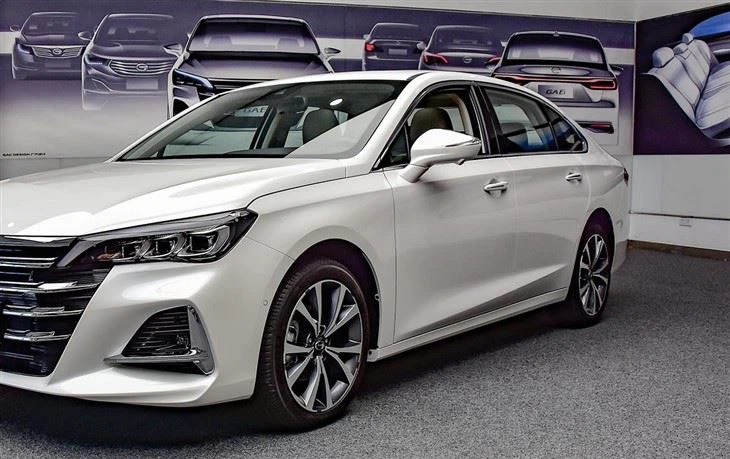
The GAC Trumpchi GA6 Of Mid - size Sedan is a well - known mid - size sedan. However, as a fuel - powered vehicle, it lacks a regenerative braking system. All the kinetic energy during braking is converted into heat and wasted. In contrast, the Hozon NETA S can recover a substantial amount of energy, which gives it a clear advantage in terms of energy efficiency, especially in urban driving conditions.
The ZEEKR 009 Electric Sports Cars Electric Sports Cars Affordable is an electric vehicle, and it also has a regenerative braking system. But the Hozon NETA S' system has been fine - tuned to offer a more efficient energy recovery. The control algorithms in the NETA S are designed to adapt to different driving styles and road conditions more effectively. For example, in stop - and - go traffic, the NETA S can adjust the regenerative braking force more precisely, ensuring that more energy is recovered without sacrificing driving comfort.
The Volkswagen Lamando Stylish Liftback High Quality Car is another fuel - powered vehicle. Similar to the GAC Trumpchi GA6, it has no regenerative braking capabilities. This means that the Hozon NETA S can save on energy costs and reduce its environmental impact by reusing the energy that would otherwise be lost in these fuel - powered vehicles.

Factors Affecting the Energy Regeneration of the Hozon NETA S
Several factors can affect the energy regeneration performance of the Hozon NETA S. One of the most significant factors is the driving style. Aggressive driving with sudden stops and starts can lead to a higher amount of energy being available for regeneration. However, if the driver brakes too hard, the system may not be able to capture all the energy effectively, as the traditional friction brakes may engage earlier.
The road conditions also play a crucial role. Driving on hilly terrain provides more opportunities for energy regeneration, as the vehicle can recover energy while going downhill. On the other hand, driving on flat roads with a constant speed offers fewer chances for energy recovery.
The state of the battery also affects the energy regeneration. If the battery is already fully charged, the system may limit the amount of energy that can be regenerated to prevent overcharging.
Real - World Benefits of the Hozon NETA S' Energy Regeneration
In real - world driving, the energy regeneration system of the Hozon NETA S offers several benefits. Firstly, it extends the vehicle's range. By recovering and reusing the energy that would otherwise be wasted, the NETA S can travel further on a single charge. This is especially important for electric vehicle owners, as range anxiety is a common concern.
Secondly, it reduces the wear and tear on the traditional braking system. Since the regenerative braking system does most of the work during normal deceleration, the brake pads and rotors are used less frequently. This not only saves on maintenance costs but also extends the lifespan of the braking components.
Conclusion and Invitation for Collaboration
In conclusion, the Hozon NETA S performs exceptionally well in terms of energy regeneration during braking. Its advanced system, smooth operation, and efficient energy recovery set it apart from many other vehicles in the market, both fuel - powered and electric.
If you're in the automotive industry and interested in the Hozon NETA S or its components, I encourage you to reach out for procurement discussions. We are always looking for partners to collaborate with, and we believe that the Hozon NETA S has great potential in the market. Whether you're a distributor, a repair shop, or an automotive enthusiast, there are many opportunities for cooperation.
References
- Electric Vehicle Technology Handbook. Edited by John M. Miller and Yimin Gao.
- Automotive Engineering International Journal articles on regenerative braking systems.